
When you purchase through our links, we may earn an affiliate commission at no extra cost to you. Here's how it works.
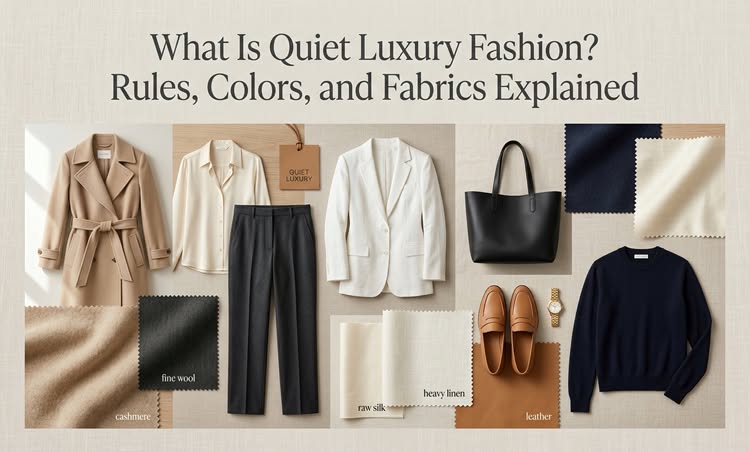
Have you ever put together an outfit that looked perfectly fine on its own, but somehow the whole combination still felt a little unfinished? Maybe the trousers were nice, the top was pretty, and the shoes were perfectly wearable, yet something wasn’t quite coming together.
That is where the idea of a quiet luxury capsule wardrobe becomes interesting.
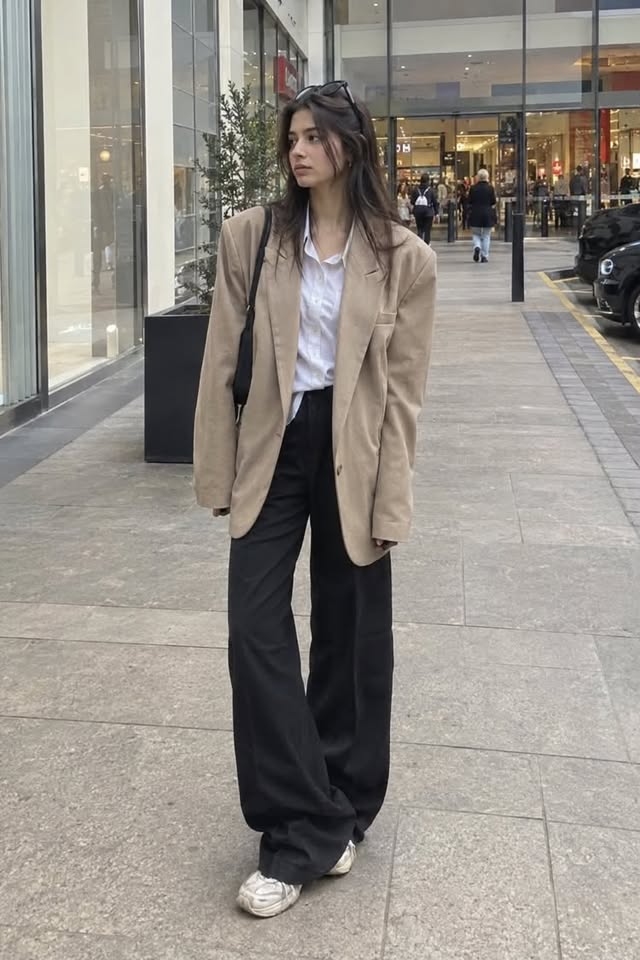
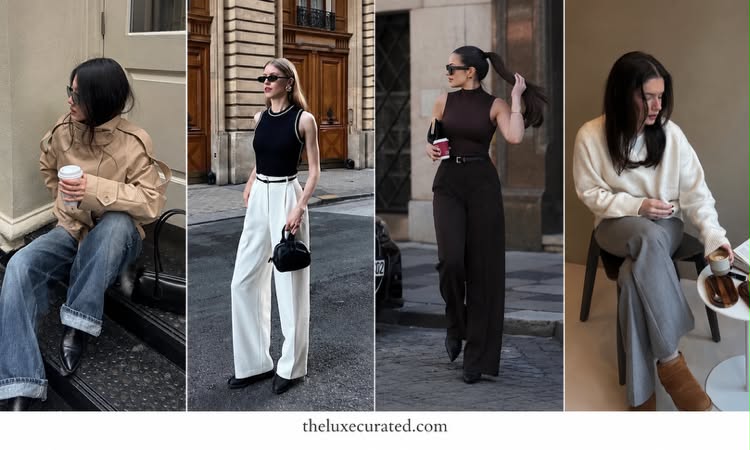
Think about a cream knit sweater with beautifully cut trousers, a camel coat over a simple white shirt, or a pair of classic loafers with straight-leg jeans.
None of these pieces needs a dramatic design to look elegant. The colours work together, the proportions feel right, and the outfit looks considered without trying too hard.
I particularly like this approach because it makes everyday styling easier. Instead of buying something simply because it looks attractive in a store, you start thinking about how it will work with the clothes you already own.
And no, building this kind of wardrobe doesn’t mean every item has to be designer or made from expensive fabric.
The more important part is knowing what to look for, what is worth spending on, and which pieces will actually earn their place in your wardrobe.
Let’s go through it properly, from choosing the right colours and fabrics to shopping smarter and putting everything together.
Quiet Luxury Capsule Wardrobe on a Budget
What Exactly Is Quiet Luxury?
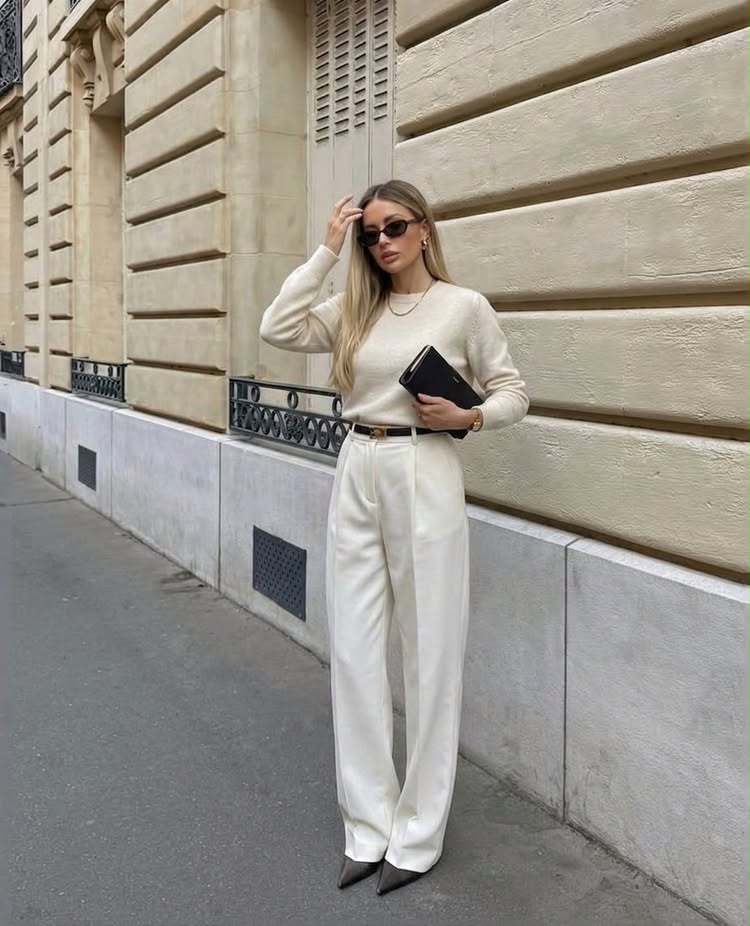
Quiet luxury is a way of dressing that puts more attention on the clothes themselves than on the brand name. You’ll usually see clean shapes, understated colours, subtle details, and outfits that look polished without being covered in logos.
Picture a simple wool coat, a well-cut pair of trousers, a soft knit top, and a structured handbag. These pieces may look quite ordinary when viewed separately, but when the fit, colour, and fabric work together, the result feels much more refined.
One thing worth understanding is that quiet luxury doesn’t mean every outfit has to be beige, cream, or completely plain. Navy, chocolate brown, charcoal, black, and even muted olive can fit beautifully into this style.
The real idea is to avoid buying clothes just because a particular trend is everywhere. Choose pieces that suit your everyday life and still look good when the trend has moved on.
It also helps to understand the difference between quiet luxury and old money fashion. They share some classic pieces, but old money styling often includes more traditional and preppy details. You can explore the old money fashion guide if you’d like to see how the two aesthetics come together.
5 Golden Rules of Quiet Luxury Fashion
You can have beautiful individual pieces and still struggle to create a polished outfit. Usually, the problem isn’t that you need more clothes. It’s that a few important details aren’t working together.
These five points make a noticeable difference.
1. Keep Logos and Branding Under Control
A large logo can become the first thing people notice about an outfit. That’s not necessarily wrong, but quiet luxury styling usually takes a more understated direction.
When choosing handbags, belts, shoes, and clothing, look at the overall design before the label. A clean leather bag, for example, can look lovely with tailored trousers and a simple knit without needing oversized hardware or obvious branding.
The same applies to shoes. Classic loafers, simple ballet flats, and understated leather sneakers are easy to combine with different outfits.
You don’t have to remove every branded item from your wardrobe. Just avoid making the logo the main feature of the look.
2. Get the Fit Right Before Worrying About the Brand
This is one of the biggest differences between an outfit that looks carefully styled and one that simply looks like a collection of nice clothes.
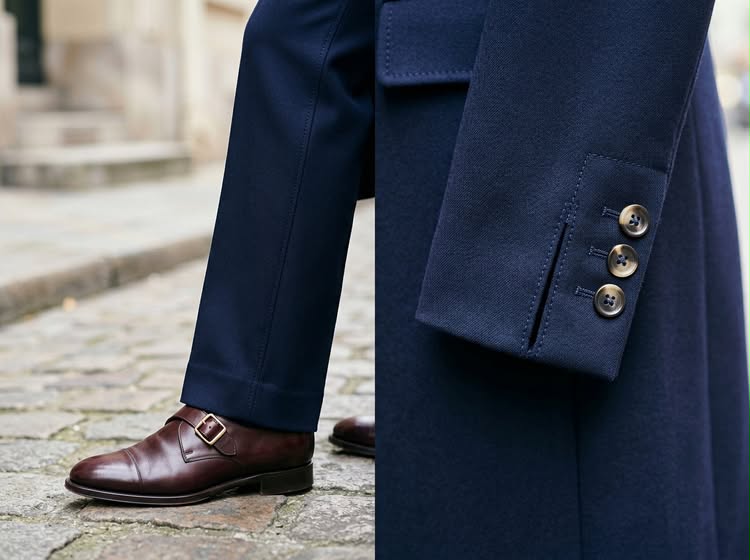
Imagine wearing a beautiful blazer, but the shoulders are too wide and the sleeves cover half your hands. The blazer might be lovely, but the fit distracts from everything else.
When trying on clothes, pay attention to a few areas:
- Shoulders: The shoulder seams should sit naturally rather than hanging too far down or pulling tightly.
- Trousers: Check the waist, hips, and length. The fabric should fall comfortably without pulling or bunching.
- Sleeves: They should finish at a practical length and allow comfortable movement.
- Jackets: You should be able to close the buttons without the fabric looking strained.
- Overall shape: The outfit should feel balanced, not unnecessarily tight or oversized.
A small alteration can sometimes make a bigger difference than buying a more expensive item. If the waist fits well but the trousers are too long, getting the hem adjusted may be all you need.
Tailoring & Fit Detail
3. Choose Clothes That Work With More Than One Outfit
Here’s a situation many people know: you buy a beautiful top, bring it home, and then realise it only works with one particular pair of trousers.
That purchase may look lovely, but it isn’t doing much for your everyday wardrobe.
Before buying something, think about at least three combinations you could create with it. A cream cardigan, for example, might work with tailored trousers, dark jeans, and a midi skirt. That’s a much more useful purchase than a top that only matches one outfit.
This doesn’t mean every item has to be plain or extremely basic. A textured knit, a subtle striped shirt, or a patterned scarf can still work beautifully. Just make sure the piece has a place in your existing wardrobe.
4. Let the Outfit Breathe
Quiet luxury outfits usually look more refined when the details aren’t competing with each other.
If you’re wearing a textured blazer, patterned trousers, statement earrings, and a detailed handbag all together, the outfit can start feeling crowded.
Try choosing one feature to draw attention. It could be the shape of the blazer, the texture of the knitwear, or a beautiful handbag. Keep the remaining pieces relatively simple so the outfit feels balanced.
This is particularly useful when wearing neutral colours. Since there aren’t many bright shades to create contrast, texture and proportions become more noticeable.
5. Take Care of the Clothes You Already Own
A good outfit can lose its polished appearance when the clothes are wrinkled, covered in lint, or looking worn out.
This is especially noticeable with knitwear, dark trousers, and coats. Small details such as loose buttons, visible pilling, and scuffed shoes can make an otherwise lovely outfit look neglected.
A little maintenance goes a long way:
- Steam or iron clothes according to their care labels.
- Remove lint before wearing dark clothing.
- Use a fabric comb carefully on knitwear that develops pills.
- Clean shoes regularly and store them properly.
- Hang coats and blazers on suitable hangers.
- Follow the washing instructions for delicate fabrics.
You don’t have to spend money on a completely new outfit when the clothes you already own simply need a little attention.
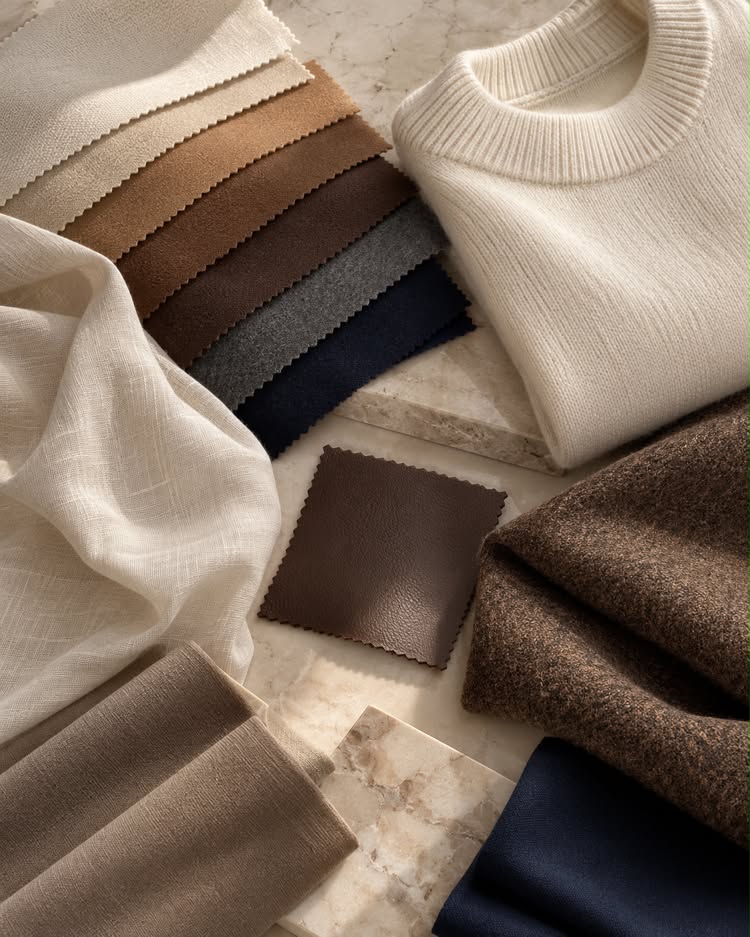
The Quiet Luxury Color Palette
One reason quiet luxury outfits are relatively easy to coordinate is the way the colours work together.
Instead of choosing completely different shades for every purchase, you can build around a small group of colours that naturally complement one another.
This doesn’t mean your entire wardrobe has to look identical. It simply gives you a starting point when choosing new pieces.
Best Colors to Try
Cream and Ivory
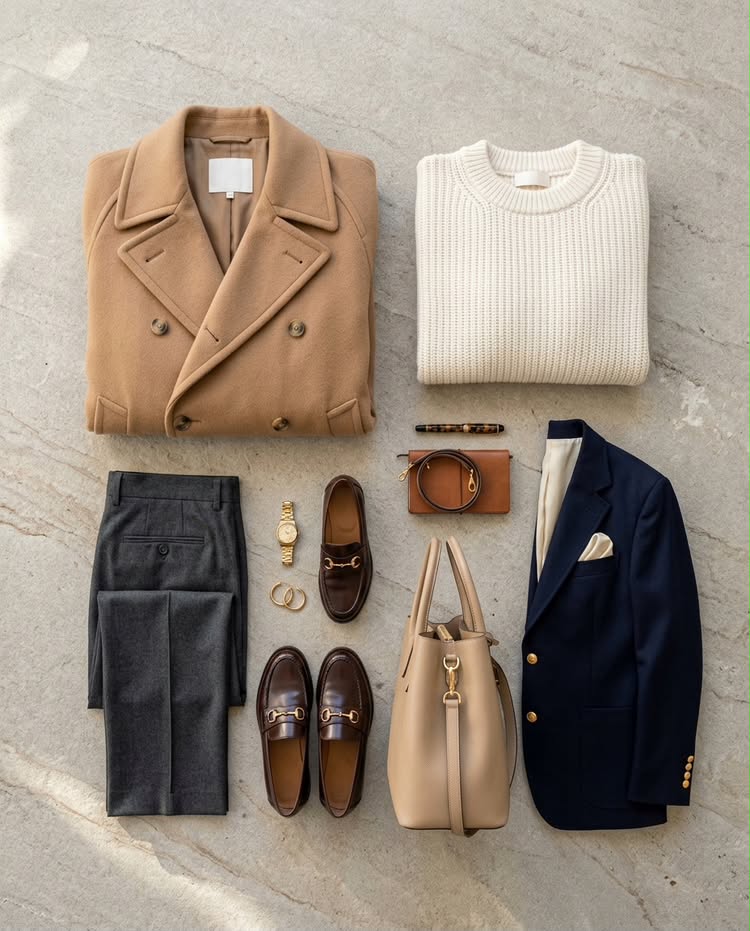
Cream and ivory are lovely alternatives to bright white. They look soft with camel, beige, chocolate brown, navy, and grey.
A cream knit sweater, for example, can work with dark trousers in winter and lighter linen pieces in summer.
Camel and Beige
These shades are especially useful for coats, blazers, trousers, and handbags. They add warmth to an outfit and work beautifully with cream, white, brown, and navy.
If you’re choosing between several beige pieces, pay attention to their undertones. Some look more yellow, while others have a cooler grey or pink undertone.
Charcoal Gray
Charcoal is a great option when black feels a little too strong for the outfit. It works particularly well with ivory, soft grey, camel, and burgundy.
A charcoal blazer or pair of tailored trousers can also be easier to wear during the day than a completely black outfit.
Navy
Navy is one of the most useful colours in a classic wardrobe. It looks lovely with cream, white, camel, grey, and brown.
A navy blazer is particularly versatile because it can be worn with matching trousers for a coordinated look or styled separately with jeans.
Chocolate Brown and Taupe
Chocolate brown adds depth, while taupe gives an outfit a softer neutral base. Both colours work beautifully with cream, camel, and ivory.
If you’re tired of wearing black accessories with every outfit, a chocolate brown handbag or pair of loafers can be a lovely alternative.
Color Palette Flatlay
Try Monochromatic Outfits
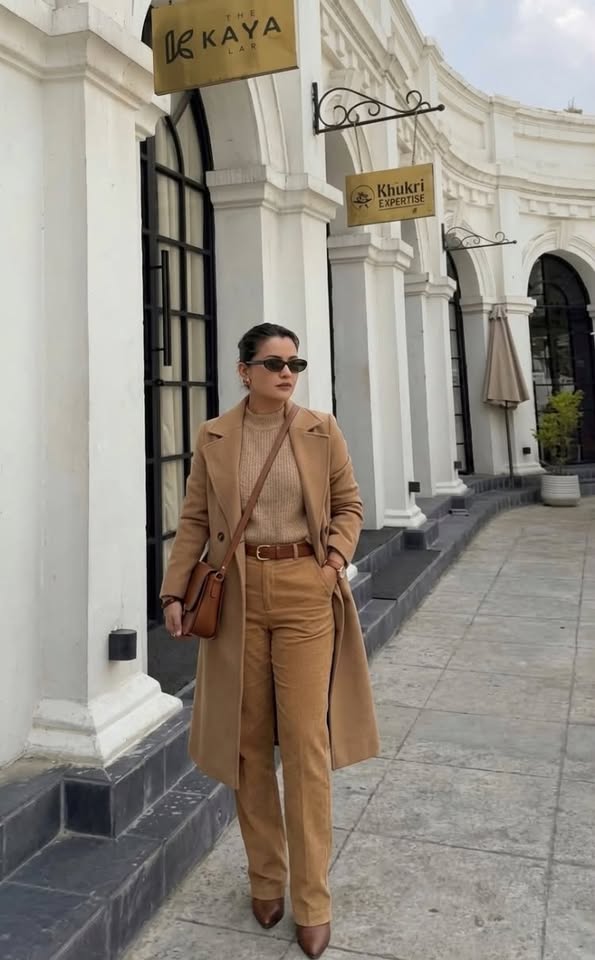
Monochromatic dressing means wearing different shades of the same colour family. It sounds simple, but it can make an outfit look much more coordinated.
For example, imagine a camel coat over a beige sweater, paired with tan trousers and brown loafers. The shades are different, but they belong to the same warm colour family.
The trick is not to make every item an exact colour match. In fact, slightly different shades often make the outfit more interesting.
Texture also matters here. A smooth cotton shirt, a soft knit, and a wool coat create more visual depth than three pieces made from the same-looking fabric.
Monochromatic Outfit
Best Fabrics for Quiet Luxury Fashion
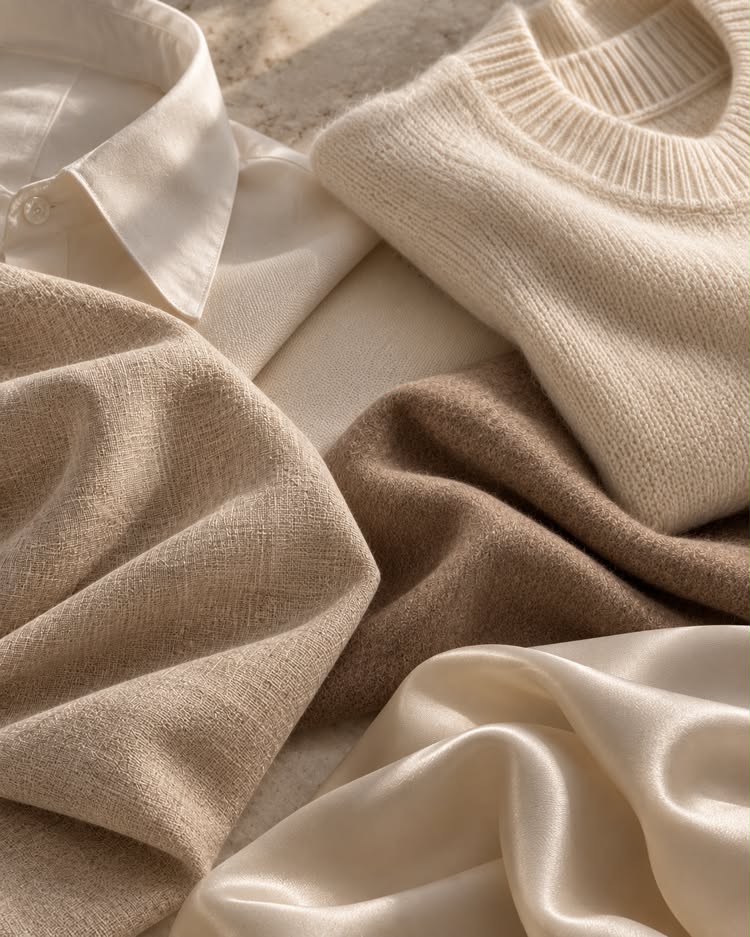
Fabric can completely change how a simple outfit looks and feels.
Two sweaters might have almost the same design, but one may hang beautifully while the other loses its shape after a few wears. That’s why it’s worth paying attention to the material rather than judging a garment only by its colour or price.
You don’t have to buy the most expensive fabric in every category. The important thing is understanding what you’re purchasing and whether it suits the way you’ll wear it.
Cashmere and Merino Wool
Cashmere and merino wool are popular choices for knitwear because they can feel soft and comfortable while adding a refined texture to an outfit.
A simple crewneck sweater in cream, grey, or camel can be worn with tailored trousers, jeans, or layered over a shirt.
However, don’t assume that every wool sweater will feel the same. Check the composition label, touch the fabric if you’re shopping in person, and look at the care instructions.
If cashmere is outside your budget, a well-made merino, cotton, or wool-blend sweater can still be a lovely choice.
Linen
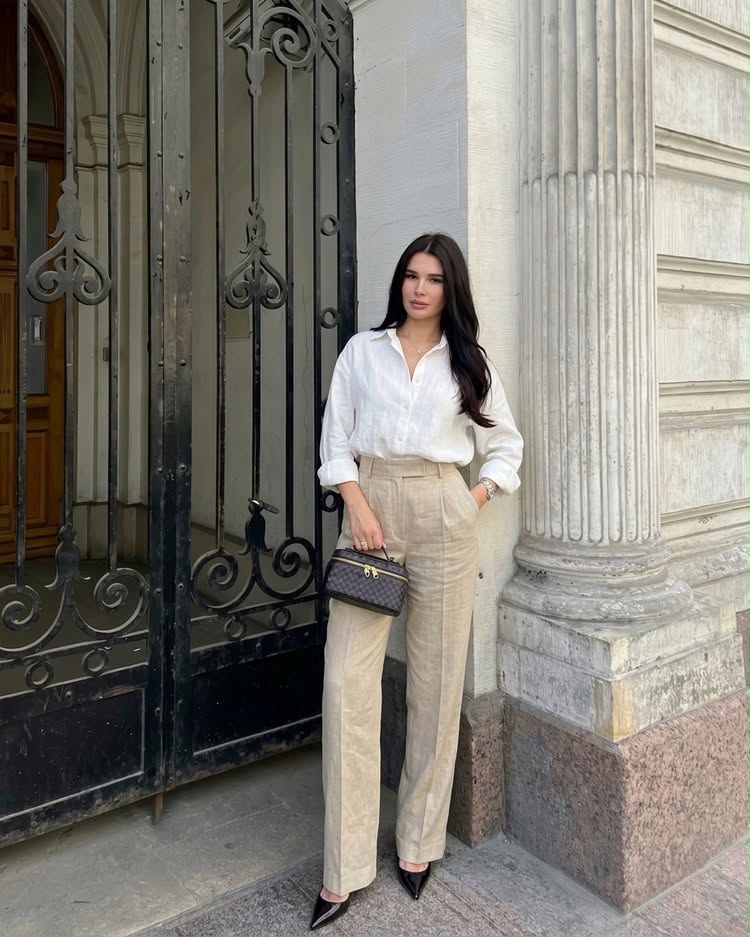
Linen is particularly useful for warmer weather. A relaxed linen shirt, wide-leg trousers, or a simple summer dress can look elegant without feeling too formal.
One thing to remember is that linen naturally creases. That’s part of its character, so expecting it to stay perfectly smooth throughout the day isn’t very realistic.
When shopping for linen trousers, check the fabric thickness and lining. A very thin material may not provide the coverage or structure you want.
For everyday outfits, beige, ivory, white, and soft brown linen pieces are easy to combine with other neutral shades.
Linen & Summer Style
Silk
Silk adds a soft drape and a beautiful finish to clothing. It works particularly well in blouses, scarves, skirts, and dresses.
A silk blouse with tailored trousers is a lovely combination for a dinner or a smart daytime event. You can also wear a silk scarf with a simple coat or knit top when you want to add a little detail.
If you’re shopping on a budget, read the fabric composition carefully. Satin and silk are not the same thing: satin describes a type of weave or finish, while silk is a natural fibre.
A polyester satin garment may still look beautiful, but it shouldn’t be described as silk unless its fabric composition confirms that.
Cotton Poplin
A crisp cotton poplin shirt is one of the most practical pieces in this style.
It can be worn with tailored trousers, denim, linen skirts, or layered under a sweater. White, cream, and pale blue are particularly easy to coordinate.
When choosing one, check that the fabric isn’t too thin and that the buttons sit comfortably without pulling when the shirt is worn.
A slightly relaxed cut is often more versatile than a shirt that feels too fitted.
Fabric Texture Close-up
Quiet Luxury Accessories & Footwear
Accessories can make a simple outfit feel complete, but it’s easy to overdo them.
For this aesthetic, I would pay more attention to shape, material, and how an accessory works with the rest of the outfit than to how decorative it looks on its own.
A beautiful handbag, clean pair of loafers, or simple watch can be enough to finish an outfit.
Jewelry
Delicate jewelry works particularly well with quiet luxury styling.
Some easy choices include:
- Small gold hoops
- Fine chain necklaces
- Simple rings
- Slim bracelets
- Small pearl earrings
You don’t have to wear all of them together. If your outfit already has an interesting neckline, a pair of small earrings may be enough.
For a more classic combination, try a simple gold necklace with a cream knit top or small pearl earrings with a tailored blazer.
Watches and Sunglasses
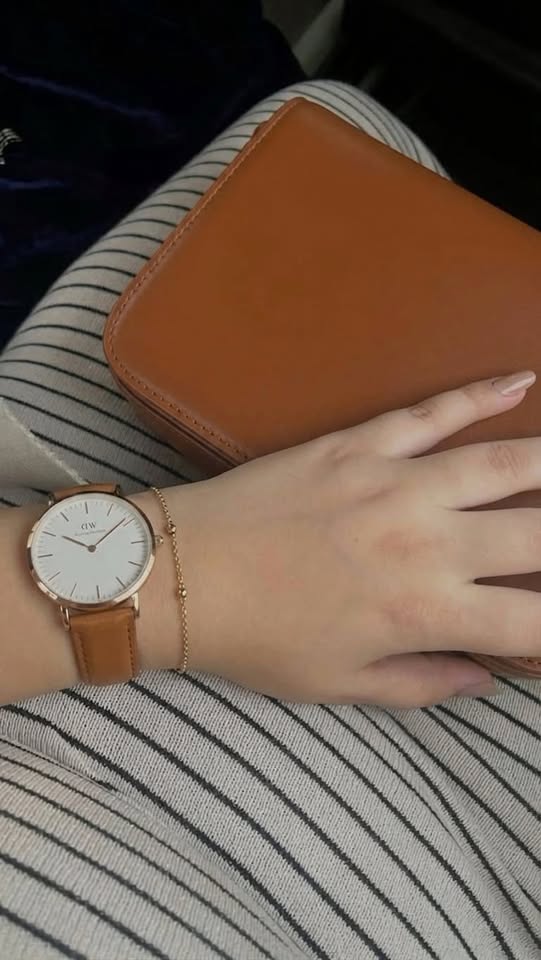
A classic watch can add a polished detail without making the outfit feel overly styled.
Leather straps in black or brown are easy to coordinate, while simple metal watches work with both casual and dressier combinations.
For sunglasses, black, brown, and tortoiseshell frames are versatile options. Rather than choosing a shape simply because it’s trending, look for one that suits the overall style you enjoy wearing.
Jewelry & Accessories Detail
Handbags
A structured handbag can bring an outfit together, especially when the clothing itself is quite simple.
For a versatile choice, consider these colours:
- Black for a classic everyday option.
- Tan for warm neutral outfits.
- Chocolate brown for a softer alternative to black.
- Burgundy for a deeper accent.
- Cream for light and coordinated outfits.
- Taupe for a subtle everyday colour.
Pay attention to the bag’s size as well. A beautiful small bag may look lovely, but it won’t be very useful if you regularly carry a laptop, notebook, or other everyday essentials.
Choose a shape that suits your actual routine. A structured tote, medium shoulder bag, or simple top-handle bag can all work beautifully.
Footwear
Shoes can change the entire feel of an outfit, so it’s worth choosing them carefully.
Some classic options include:
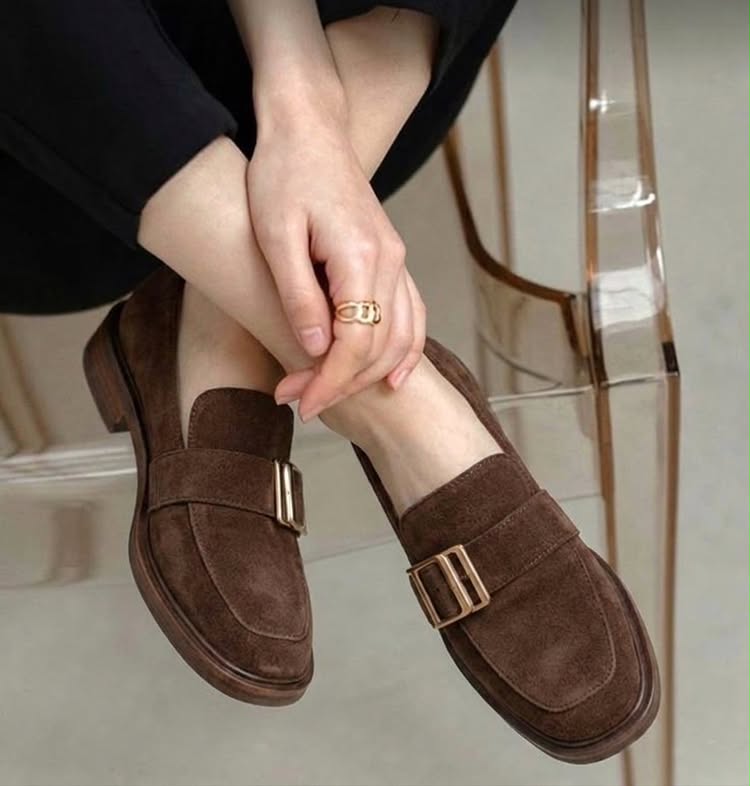
- Leather or suede loafers
- Ballet flats
- Simple leather sneakers
- Clean ankle boots
- Minimal pumps
For example, loafers with tailored trousers create a slightly more formal look, while clean sneakers make the same trousers feel relaxed enough for everyday wear.
If you want a pair that works with several outfits, start with a colour you already wear regularly. Black, tan, chocolate brown, and cream are useful choices, depending on your wardrobe.
Also, don’t overlook comfort. Shoes that look beautiful but are uncomfortable to walk in probably won’t become your most-worn pair.
Footwear Detail
How to Dress Quiet Luxury on a Budget
This is probably the part that makes the biggest difference when you’re actually building a wardrobe.
It’s easy to save dozens of beautiful outfits on Pinterest and start feeling that you need every single piece. But when you look more closely, many of those outfits use the same basic shapes and colours in slightly different combinations.
The smarter approach is to understand what your wardrobe is missing before spending money.
Check the Fabric Label Before Buying
A garment can look lovely in a product photograph, but the fabric composition tells you more about what you’re actually purchasing.
Check whether the item is made from cotton, linen, wool, silk, or a blend. Then consider how it feels, how it hangs, and whether it suits the season.
Natural fibres can be excellent choices, but synthetic fabrics aren’t automatically bad. A well-made polyester garment may work perfectly well for a particular purpose, while a poorly constructed natural-fibre garment may disappoint.
Look at the actual quality of the item rather than following a strict rule that every piece must be 100% natural.
Also check the care label. If a garment requires special cleaning every time you wear it, think about whether that maintenance is realistic for your routine.
Shop Thrift and Vintage
Secondhand shopping can be particularly useful for classic wardrobe pieces.
Blazers, wool coats, leather handbags, silk scarves, and tailored trousers are all worth checking because their designs often remain wearable for years.
When you find something interesting, inspect it carefully before purchasing.
Look at the seams, lining, buttons, zippers, fabric condition, and any areas that show heavy wear. For coats and blazers, pay special attention to the shoulders and overall structure.
A secondhand piece isn’t automatically a bargain. If it needs expensive repairs or doesn’t fit properly, the final cost may not be worth it.
Use a Tailor When It Makes Sense
Sometimes a garment is almost perfect, but one small detail is stopping it from looking right.
Maybe the trousers are too long, the blazer sleeves need shortening, or the waist is slightly loose. These are the kinds of issues a tailor may be able to fix.
Before buying an item that needs alterations, ask how much the adjustment will cost. Add that amount to the purchase price so you know what you’re really spending.
Not every garment is worth altering, though. Major fit problems or complicated changes can become expensive, particularly on low-cost clothing.
Build Your Capsule Around Your Actual Routine
A useful capsule wardrobe should reflect the clothes you genuinely wear.
Someone who spends most of their time in casual outfits may get more use from straight-leg jeans, comfortable knitwear, and versatile flats. Someone who regularly attends formal meetings may need more tailored trousers, blazers, and polished shoes.
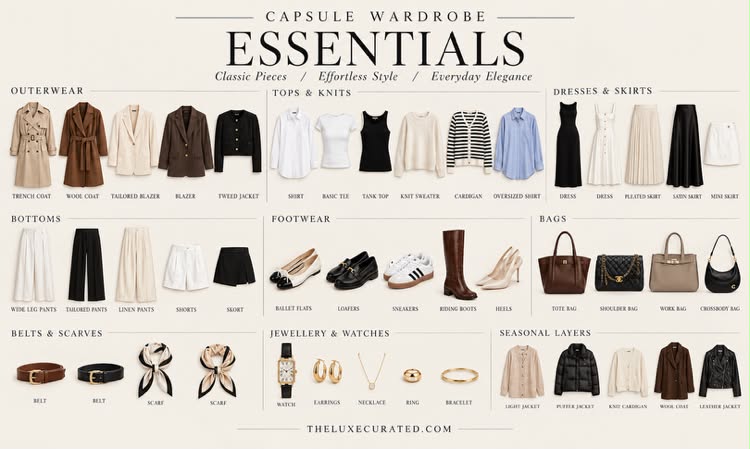
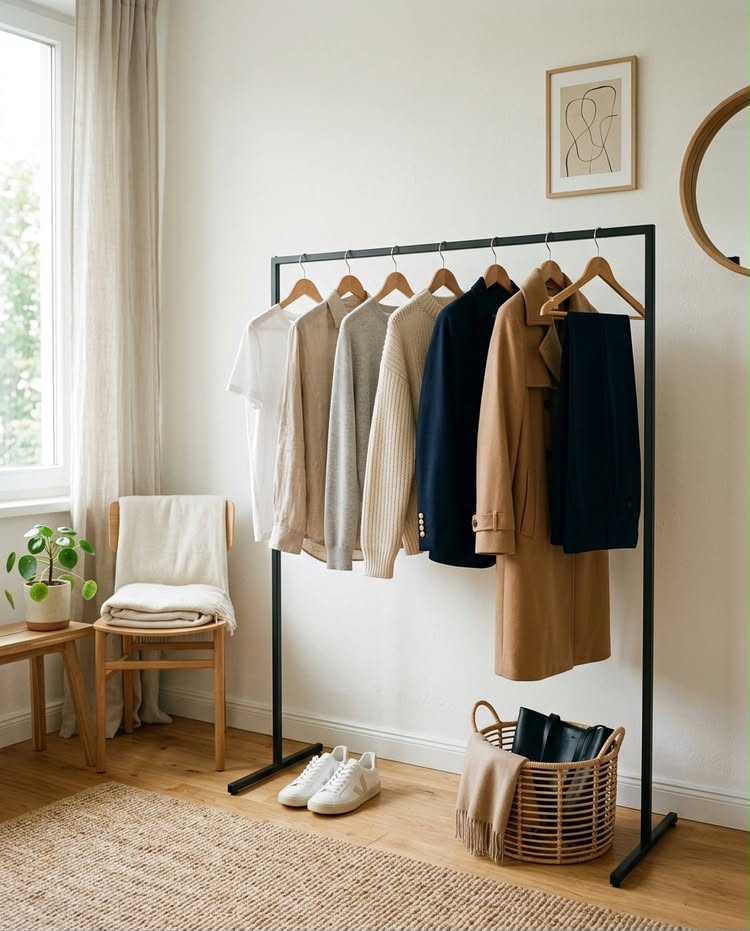
For a starting point, these pieces can work well together:
- A cream or neutral knit sweater
- A white or pale blue button-down shirt
- A pair of tailored trousers
- A versatile blazer
- Straight-leg jeans
- A comfortable pair of loafers
- Simple everyday sneakers
- A structured handbag
- A coat suited to your climate
Treat this as a starting point, not a compulsory shopping list. You may already own several of these pieces, and there may be other items that suit your lifestyle much better.
Before adding anything new, try creating outfits with what you have. You might discover that the only missing piece is a pair of brown loafers or a blazer that works with your existing trousers.
Capsule Wardrobe Rack
Quiet Luxury vs. Old Money: What’s the Difference?
Quiet luxury and old money fashion often look similar, which is why people sometimes use the terms interchangeably.
Both styles appreciate classic clothing, understated colours, and pieces that don’t depend on obvious branding. However, the overall mood can be a little different.
Old money styling usually has a stronger connection to traditional and heritage-inspired clothing. Think navy blazers, cable-knit sweaters, loafers, tweed jackets, equestrian details, and classic preppy combinations.
Related: How to Build an Old Money Capsule Wardrobe on a Budget
Quiet luxury is generally more stripped back. It focuses on clean silhouettes, refined fabrics, understated accessories, and simple outfits that feel polished without too many decorative details.
For example, a navy blazer with a striped shirt, loafers, and a traditional belt may lean more towards old money styling. A softly tailored blazer with a simple knit top, matching trousers, and minimal accessories feels closer to quiet luxury.
There is plenty of overlap, of course. You can combine elements of both depending on your personal style.
Is Quiet Luxury the Same as Minimalist Fashion?
Not exactly.
Minimalist fashion is mainly about simplicity. It often uses clean shapes, fewer details, and a limited colour palette.
Quiet luxury shares those qualities, but it puts more attention on the finish of the clothing, the way fabrics look, and how well each piece fits.
For example, a plain cotton T-shirt with straight-leg trousers can be minimalist. Add beautifully tailored trousers, a refined knit layer, a structured handbag, and carefully chosen shoes, and the outfit may move closer to quiet luxury.
Neither style requires you to avoid colour or interesting details completely. The difference is more about the overall direction of the outfit.
Can You Wear Black in Quiet Luxury Fashion?
Absolutely. Black works beautifully in quiet luxury styling.
A black wool coat, tailored trousers, simple dress, or structured handbag can become one of the most useful pieces in your wardrobe.
If you find an all-black outfit looks a little flat, try mixing different textures. For example, black tailored trousers with a soft knit top and a structured leather bag create subtle variation without introducing another colour.
You can also combine black with cream, camel, chocolate brown, or grey.
A black blazer with ivory trousers is a particularly easy combination, while a black top with camel trousers creates a warmer contrast.
The main thing is to pay attention to how the pieces fit and work together. Black itself isn’t the problem; an outfit simply needs enough balance and texture to feel complete.
Final Thoughts
The more I look at quiet luxury styling, the more I realise that the small decisions make the biggest difference.
A pair of trousers with the right length, a sweater that sits properly, or a handbag in a colour that works with several outfits can change how often you reach for a particular piece.
That’s why I wouldn’t rush the process of building a capsule wardrobe. Start by looking at what you already wear regularly. Notice which colours appear again and again, which pieces are missing from your everyday combinations, and what you keep buying but rarely use.
Then make your next purchase with a little more thought. Check the fabric, try the fit properly, and consider whether the item will work with at least a few things you already own.
Quiet luxury doesn’t have to mean a wardrobe full of expensive labels. A well-chosen combination of classic pieces, practical fabrics, and thoughtful styling can create the same understated direction without making every shopping trip a major expense.
And honestly, the best wardrobe is the one that looks lovely but also makes getting dressed feel easy.
If you enjoyed this guide, save it for your next wardrobe refresh and explore more classic styling ideas here at Luxe Curated.