
When you purchase through our links, we may earn an affiliate commission at no extra cost to you. Here's how it works.
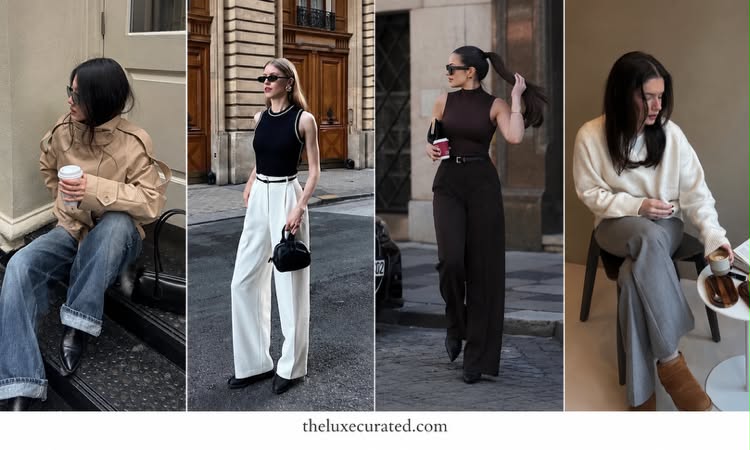
You know that girl who walks in wearing a simple blazer, neat trousers, clean loafers and a nice bag, and somehow looks like she has her whole life together? Then you look closer and nothing she’s wearing is actually that expensive.
That is the secret of the rich girl aesthetic. It’s not about the price tags. It’s about pieces that go well together, and tiny details that most people skip.
And this is where many outfits quietly go wrong. You can own lovely clothes and still lose the polished look because of a trouser hem that is too long, a sweater covered in lint, or accessories that are all fighting each other.
The good news? Almost none of this needs a shopping spree.
Think of me as that honest friend standing behind you at the mirror, the one who says, “Okay, love it, but…” I’ll walk you through 7 common cheap fashion mistakes, show you what to wear instead, and give you easy fixes.
If you love quiet luxury, old-money style and classy everyday outfits, this one is for you.
Cheap Fashion Mistakes That Ruin Your Rich Girl Aesthetic
1. Wearing Clothes That Don’t Fit Properly
Let’s start with the big one, because fit changes an outfit more than almost anything else.
A blazer can have gorgeous buttons and a perfect colour, but if the shoulder seams hang too low or the sleeves cover half your hands, the shape is off.
Same with trousers. When the hem drags on the floor or bunches around your shoes, even a well-planned outfit looks unfinished.
But here is the important part: a good fit does not mean tight. Oversized shirts, relaxed blazers and wide-leg trousers can look super polished too. The difference is that the proportions look chosen, not accidental.
What to Avoid

Picture an oversized blazer with shoulders that fall way past your own, worn with trousers that pile up around your ankles. Each piece is fine alone. Together, the outfit feels unbalanced.
Another trap is buying something only because it looks perfect on the model. The same cut can sit very differently on your height and proportions.
What to Wear Instead

Try a fitted black turtleneck under a structured charcoal blazer. Add ivory wide-leg trousers, pointed black flats, a slim belt and a structured handbag. The fitted top gives a neat base, and the wide trousers bring movement. Nothing is tight or complicated.
For a relaxed day, layer a chocolate-brown coat over a cream knit top and dark straight-leg jeans. Brown loafers and a matching shoulder bag finish it.
Before you buy, check:
- Do the shoulder seams sit comfortably?
- Are the sleeves a sensible length?
- Do the trousers work with the shoes you actually wear?
- Is the waistband comfortable when you sit?
- Can you move naturally without tugging at it?
Friend tip: Don’t reject a piece just because one spot doesn’t fit. A small hem or sleeve alteration can do way more than buying yet another outfit.
2. Wearing Clothes Covered in Lint or Fabric Pilling
You can plan the perfect outfit with perfect colours, and one lint-covered sweater will still steal the show for the wrong reasons.
It shows most on black trousers, dark knitwear and coats. Loose fibres, pet hair and little fabric balls love dark fabric.
No, every piece doesn’t have to look brand new. Some fabrics are naturally fuzzy, and a bit of wear is normal. The problem is visible lint and pilling that you could fix in two minutes.
What to Avoid

Imagine a dark sweater full of loose fibres, black trousers with visible lint and a coat with messy cuffs. The clothes themselves are wearable.
Their condition just makes the whole outfit look less cared for. And it’s so easy to miss when you are getting dressed in a hurry.
What to Wear Instead
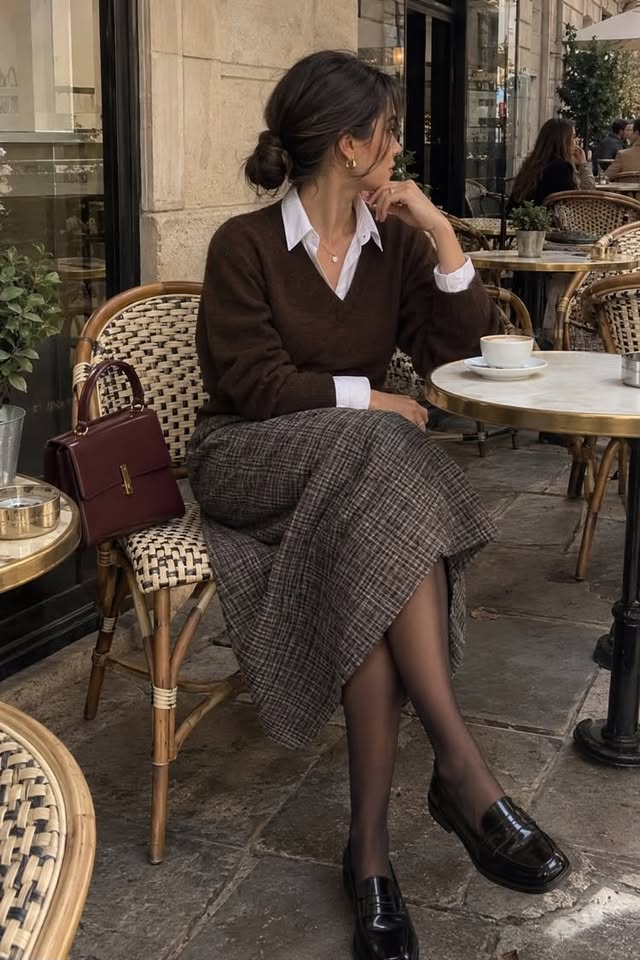
Try a chocolate-brown V-neck sweater over a crisp white collared shirt. Add a grey checked midi skirt, sheer black tights and polished black loafers. A structured burgundy handbag brings a deeper colour, and small gold earrings keep things simple.
Another lovely mix: a smooth charcoal knit, cream tailored trousers and a long camel coat, with dark brown loafers and a matching shoulder bag. The colours do the work, so you don’t need lots of extras.
How to Keep Your Clothes Looking Fresh
- Use a lint roller before wearing dark clothes.
- Follow the washing instructions on the label.
- Use a fabric shaver only on fabrics that suit it.
- Don’t pull pills off by hand, because that can damage the fibres.
- Fold heavy knitwear instead of hanging it, if the weight could stretch the shoulders.
Also fix small problems early. A loose button or a slightly open seam is easy to repair.
Friend tip: Keep a lint roller somewhere you can grab it fast, especially if you wear dark coats and knitwear. It takes seconds and saves you from an obvious mistake.
3. Trying to Wear Every Trend at Once
I know how fast an inspiration board grows. One day you save a statement bag. Next you find an outfit with an oversized belt, chunky jewellery, bold sunglasses and a printed blazer, and suddenly you want all of it. At once.
There is nothing wrong with trends. The problem starts when every single item is trying to be the star. A polished outfit usually has one clear focus, while the other pieces support it.
What to Avoid
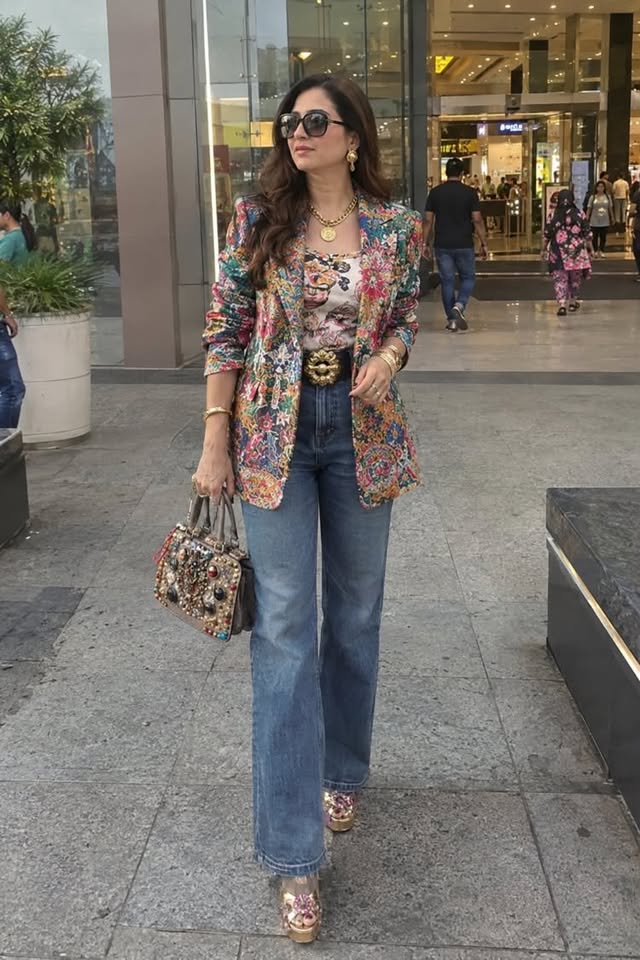
Think of a colourful blazer, a printed top, chunky jewellery, a decorative belt, oversized sunglasses and a heavily decorated bag, all in one outfit.
Every piece is shouting. Together it feels crowded, especially if you want an understated look.
Bold styling can be beautiful, of course. But for the rich girl aesthetic, a bit more balance helps.
What to Wear Instead
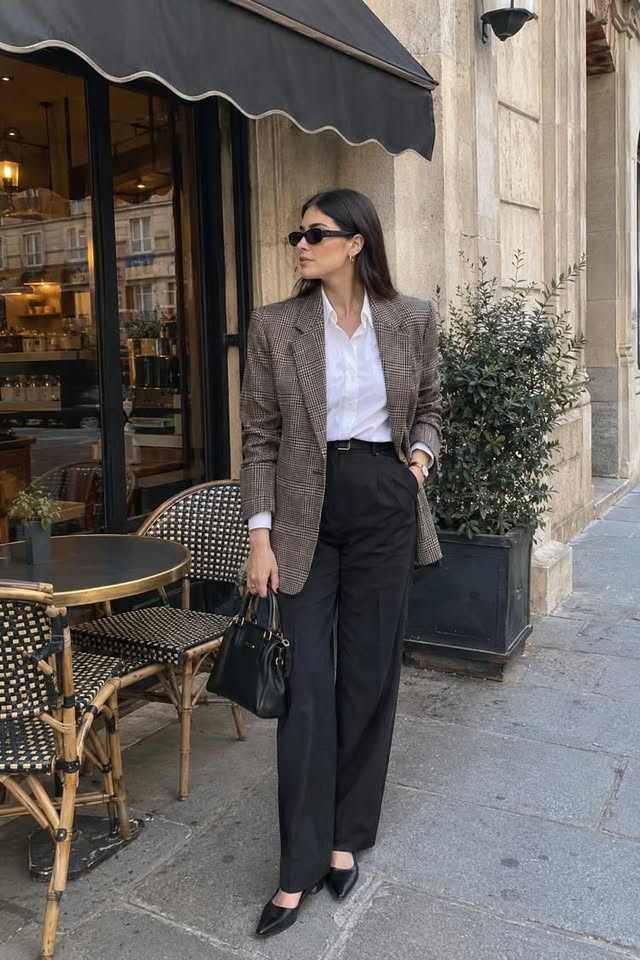
Start with a brown checked blazer over a crisp white button-down. Add high-waisted black tailored trousers and pointed black flats.
Finish with a structured black handbag, slim sunglasses and small gold earrings. The blazer is the feature, and the simple shirt and trousers give it room.
For cooler weather, try a dark chocolate-brown coat over a matching knit top and checked wide-leg trousers, with sleek black loafers and a simple shoulder bag.
Easy trick: Pick your statement piece first, then build around it.
- Printed blazer? Keep the top and trousers simple.
- Unusual handbag? Skip the other attention-grabbing accessories.
- Statement shoes? Choose a quieter bag.
- Bold jewellery? Let the clothes stay simple.
You don’t have to remove everything interesting. Just don’t let every item compete.
RELATED: 9 Simple Styling Tricks That Make Everyday Outfits Look More Polished
4. Buying Clothes Without Checking the Fabric
Online shopping can fool you. The blouse looks lovely in the photos, the trousers drape perfectly and the jacket looks structured.
Then the parcel arrives and the fabric feels totally different.
Maybe the blouse is thinner than you expected, the trousers lose their shape fast, or the jacket has no structure at all.
This doesn’t mean affordable fashion is bad. There are great pieces at fair prices. You just need to know what to check before you order.
What to Avoid
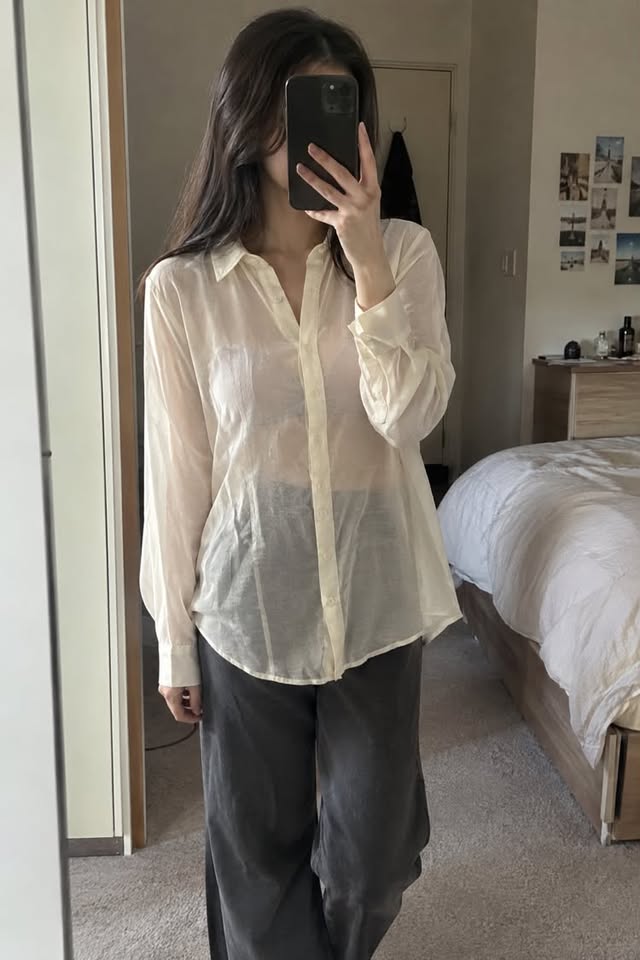
A very thin blouse that turns see-through in daylight may not work for the outfit you planned. Trousers with uneven stitching, rough seams or fabric that loses shape after one wash get annoying quickly.
And don’t judge by price alone. An expensive piece isn’t always well made, and a cheap one isn’t always bad.
What to Wear Instead
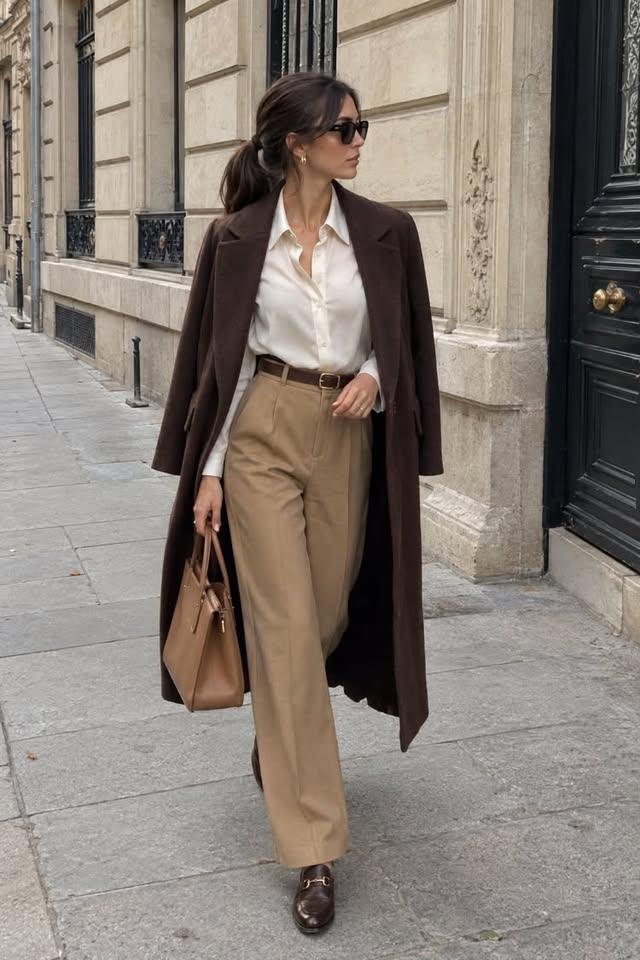
For a polished everyday look, tuck an opaque ivory cotton blouse into high-waisted camel trousers. Add a chocolate-brown coat, dark brown loafers, a structured handbag and delicate gold jewellery.
Cream, camel and chocolate brown make a warm combination with no complicated patterns.
Want something dressier? Pair a black fine-knit top with a champagne or dark-brown satin-look midi skirt. Add a fitted blazer, simple ballet flats and a small structured bag. The mix of knit and smooth satin makes it more interesting.
What to Check Before Buying
1. Read the reviews. Look for comments about thickness, transparency, stitching, sizing and how it looks after washing.
2. Zoom in on the photos. Check seams, buttons and hems. Close-ups won’t tell you everything, but they show details the main photo hides.
3. Check the fabric composition. Cotton, linen, wool blends, viscose and synthetics all behave differently. Choose by garment, comfort and how you will use it.
4. Think about the weather. Light cotton and linen suit warm days, and heavier knits and wool blends suit cold ones.
5. Ask how often you’ll wear it. A blouse that works with jeans, trousers and skirts is a smarter buy than something that matches only one outfit.
You don’t have to buy silk, wool or linen just because they sound luxurious. Choose fabrics that fit your budget and your life.
5. Leaving the House in Noticeably Wrinkled Clothes
A lovely outfit can look rushed when the shirt is deeply creased or the trousers have sharp folds from being stored carelessly. You see it most on button-down shirts, tailored trousers and structured dresses.
But not every crease is a mistake. Linen wrinkles naturally, and that is part of its charm. You don’t have to press everything flat.
The goal is to avoid the creases that could have been prevented and make the outfit look unfinished.
What to Avoid

A shirt with deep storage wrinkles, a messy tuck and heavily creased trousers pull attention away from everything else. The fix is usually easy: a proper hanger, a quick steam, or a little prep before you get dressed.
What to Wear Instead
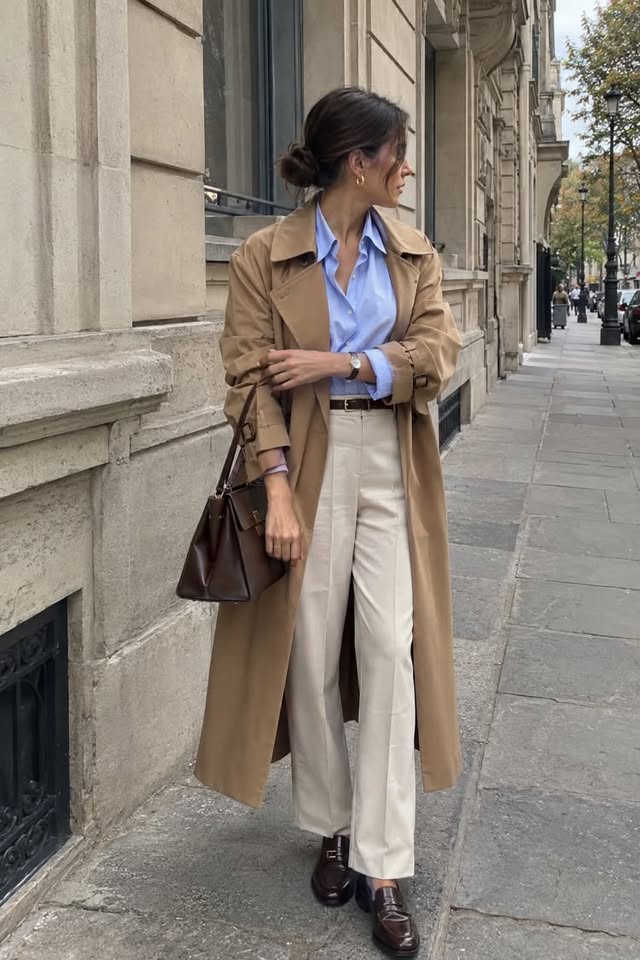
Tuck a pale-blue button-down neatly into cream tailored trousers. Add a slim chocolate-brown belt and a long camel trench coat, then finish with dark brown loafers and a structured handbag.
Soft blue and warm neutrals look great together, and the trench gives a structured finish.
Another option: a cream knit dress under a fitted checked blazer, with sheer tights, black ballet flats and a structured black handbag. A true classic.
How to Keep Your Clothes Looking Neat
- Hang shirts on proper hangers instead of leaving them crumpled in a drawer.
- Fold knitwear carefully, since heavy sweaters can stretch on hangers.
- Use an iron or steamer when the fabric allows it.
- Check the care label before you apply heat.
- Lay out your outfit the night before if your mornings are rushed.
And remember, natural linen creases are fine. You don’t need to fight every fold.
Quick check before you leave: Look at the collar, sleeves, trouser tuck and any obvious creases. It takes seconds and makes the outfit look more considered.
Btw, I’m writing this article in autumn, which is why I’m including trench coats. But that doesn’t mean you should wear them in every season, especially summer. Haha, of course not! 😂
6. Carrying a Worn-Out Bag or Wearing Dirty Shoes
Your bag and shoes don’t have to be expensive to complete an outfit. But their condition matters.
Imagine a crisp white shirt, black trousers and a well-fitted blazer. Now add dirty shoes and a handbag with peeling corners. Suddenly the whole look drops a level.
You don’t have to replace everything every season. Taking care of what you already own is the more practical answer.
What to Avoid
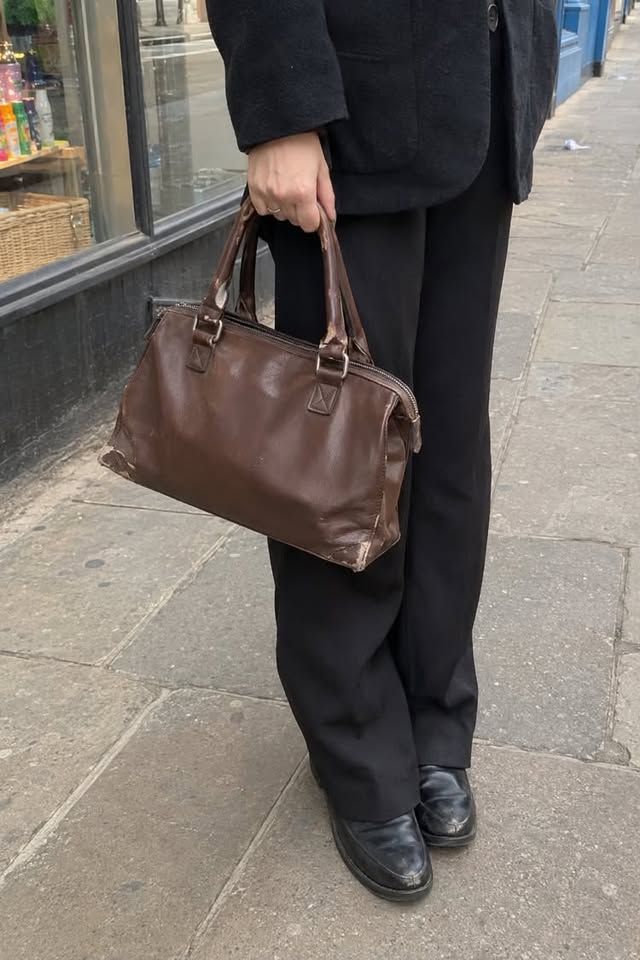
Shoes with visible dirt, loose soles or a neglected surface make an outfit look less cared for. The same goes for bags with peeling material, damaged handles, broken hardware or badly frayed edges.
Normal wear is okay, because everyday accessories show use. What matters is knowing when a quick clean or repair would help.
What to Wear Instead
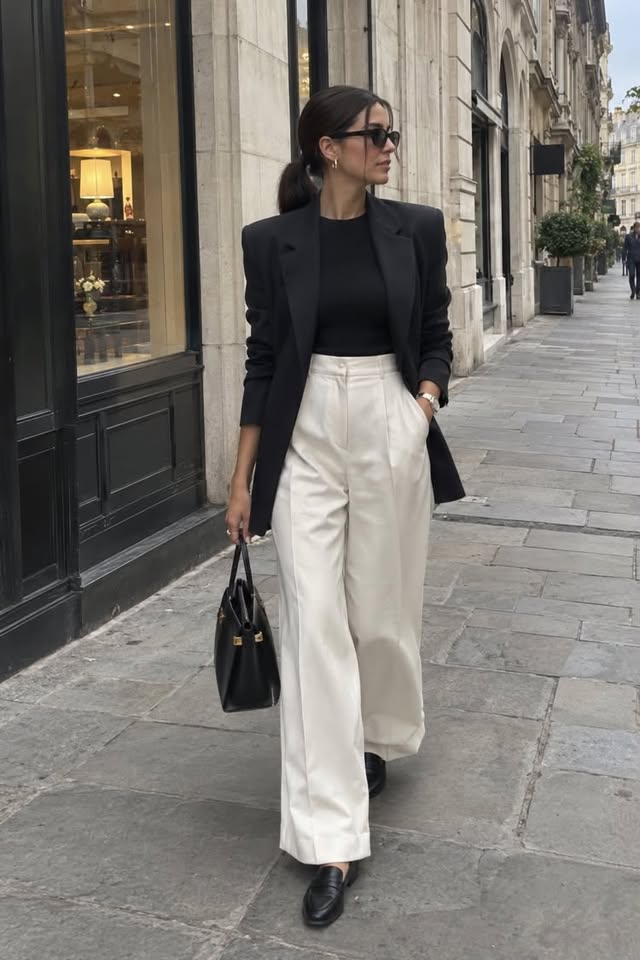
For a classic outfit, pair a black fitted top with ivory wide-leg trousers and a tailored black blazer. Add clean black loafers, a structured handbag, slim sunglasses and delicate gold earrings.
The black and ivory contrast makes a strong base, and the simple accessories keep it matched. You don’t need logos or expensive shoes for this.
Prefer warm colours? Try a cream knit top with dark-brown tailored trousers and a long camel coat, plus chocolate-brown loafers and a structured tan handbag.
It’s perfect for shopping, lunch or a city day, and you can reuse the pieces in other outfits.
How to Look After Your Accessories
For shoes:
- Clean them according to the material.
- Use the right care product for leather, suede or synthetic.
- Store them somewhere dry.
- Check for loose soles or small spots that need repair.
For handbags:
- Don’t overload them if the weight stretches the handles.
- Store them in a dry place.
- Support the shape of structured bags when storing.
- Check if loose stitching, damaged straps or missing buttons can be repaired.
You don’t need a big collection. Two or three versatile bags and pairs of shoes that work with many outfits beat a pile of pieces bought for single looks.
7. Combining Too Many Colours Without a Clear Plan
Let’s clear up a common myth: the rich girl aesthetic doesn’t mean wearing beige, white and brown every single day.
Colour can make an outfit more interesting, and bright shades can look just as stylish as neutrals. The real challenge is making different colours work together.
When several strong shades fight for attention, the outfit feels less coordinated than you planned.
There are no strict rules. A smaller palette just makes everyday dressing easier.
What to Avoid
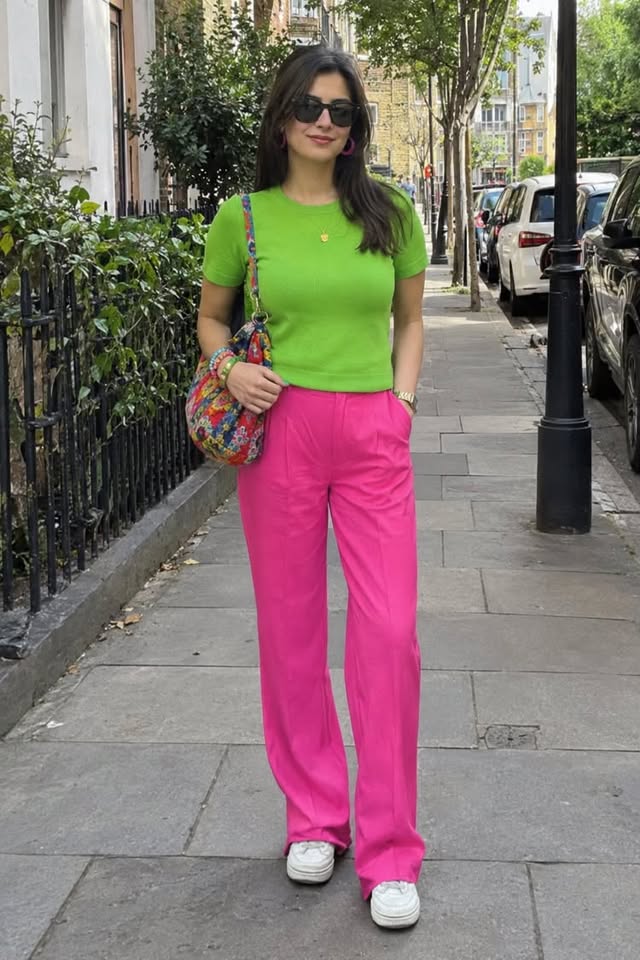
Imagine a neon-green top, vivid-pink trousers and a multicoloured bag. It could work as a deliberate statement outfit, but it probably won’t give you that understated look.
Bright colours aren’t the problem. The question is whether the colours and patterns create the effect you want.
What to Wear Instead

For a rich, warm mix, try a burgundy knit top with chocolate-brown tailored trousers and a long camel coat.
Add dark-brown loafers, a structured tan handbag and delicate gold jewellery. Burgundy, brown and camel go together, and there is enough colour to keep it interesting.
For a cooler palette, try a navy fitted sweater with grey checked wide-leg trousers and a charcoal coat, plus black loafers and a structured black bag.
You can also bring in colour with just one accessory. A burgundy handbag, for example, adds interest to cream trousers, a white shirt and a camel coat.
Easy Colour Combinations to Try
- Cream + camel + chocolate brown: Warm, classic and easy to match.
- Navy + white + grey: Clean and good for everyday.
- Burgundy + beige + brown: Rich seasonal colours that work together.
- Black + ivory + gold: Simple, balanced and easy to dress up.
- Charcoal + cream + black: A quiet palette for cooler weather.
You can also wear different shades of one colour. Cream, camel and chocolate brown create depth without strong contrasts.
And if you love colourful clothes, don’t give them up. Just repeat one colour in two places, like a burgundy top with a matching bag, so the outfit feels connected.
Friend tip: Lay out your main clothes before choosing accessories. It’s much easier to see if the colours work when you look at the whole outfit.
How to Look Expensive Without Spending More Money
Now that we have covered the seven mistakes, here is the most useful part: getting more out of the clothes you already own.
You don’t need to replace your wardrobe. Start with a few small changes before you buy anything.
1. Check the Fit Before Buying
Look at shoulder seams, trouser length, sleeves and waistband comfort. Clothes that fit well are easier to style and more comfortable all day.
2. Keep Your Clothes in Good Condition
Remove lint, fix loose buttons and follow the washing instructions. Store your clothes properly so they keep their shape. Small habits help your favourite pieces last longer.
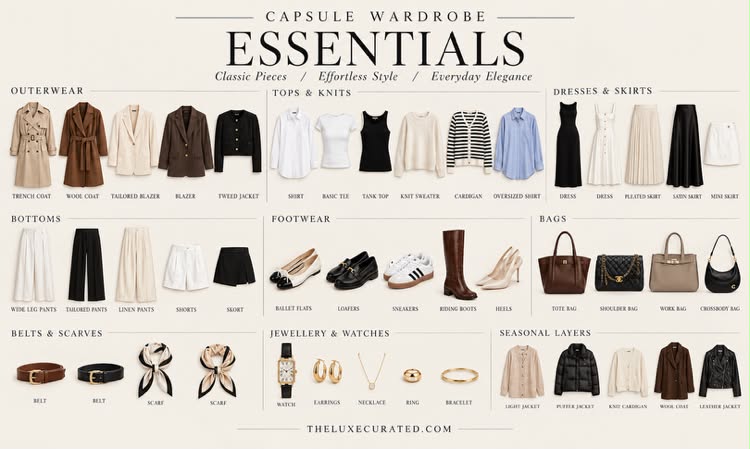
3. Choose Versatile Wardrobe Pieces
Tailored trousers, classic knitwear, straight-leg jeans and simple blazers work with lots of things. Before you buy something new, think of two or three outfits you could make with it. If you can only imagine one way to wear it, think twice.
4. Take Care of Your Shoes and Bags
Clean your accessories when needed and fix small problems before they get worse. A simple, well-kept bag is more useful than an expensive-looking one that is already falling apart.
5. Avoid Buying Every Trend
Trends are fun, but you don’t have to follow all of them. Spend on pieces you really like and will wear often, not on things that only work for one outfit.
6. Experiment With Colour and Texture
Try knitwear with tailored trousers, a checked blazer with a plain shirt, or a neutral outfit with one colourful accessory. You may find new combinations without buying anything.
Most importantly, getting dressed shouldn’t feel stressful. Your clothes don’t need to be perfect, and you don’t need to look expensive every day.
The goal is a style that feels comfortable, suits your personality and fits your budget.
Final Thoughts
The rich girl aesthetic isn’t about pretending to be wealthy or buying the priciest version of everything.
It’s about making thoughtful choices, and understanding how clothes, colours, fabrics and accessories work together.
A well-fitted blazer, matching colours, clean shoes and clothes that are looked after can make a noticeable difference. Often more than another trendy piece you’ll wear once.
Before you spend money on something new, take another look at what you own. Change the shoes, add a belt, tuck your shirt differently, or pair a familiar top with different trousers.
You may already have everything you need to build outfits that feel more polished and more you.
Now tell me: which of these seven mistakes do you think makes the biggest difference? Share your thoughts in the comments, and save this guide on Pinterest so you can come back to it when you plan your next look.
Thanks for reading, and see you in the next one!