
When you purchase through our links, we may earn an affiliate commission at no extra cost to you. Here's how it works.
Dark academia and quiet luxury share a common interest in classic clothing, thoughtful details, and outfits that don’t depend on large logos or passing trends. However, they create slightly different moods. Dark academia leans toward literary, vintage-inspired fashion, while quiet luxury focuses on clean lines, subtle details, and well-considered pieces.
I like the combination of these two styles because it gives a structured outfit more personality without making it look overly complicated. A crisp white shirt, a tailored black waistcoat, and dark trousers can create a polished look that works for several occasions.
You don’t need to replace your entire wardrobe to try this aesthetic. The key is understanding how individual pieces work together, from the fit of a waistcoat to the contrast between different fabrics.
In this guide, we’ll look at 10 styling ideas, explain what makes each one work, and cover a few practical details to consider when building a wardrobe around dark academia and quiet luxury.
The Ultimate Guide to Dark Academia
1. Start With a Classic White Shirt

A white button-down shirt is a useful starting point for this aesthetic. Its clean appearance balances the darker colors and structured pieces commonly associated with dark academia.
For a more tailored look, choose a shirt with a collar that holds its shape and fabric that isn’t see-through. The fit should allow comfortable movement without excessive pulling around the buttons or shoulders.
How to style it: Wear it under a black waistcoat with tailored trousers. For a more relaxed outfit, leave the top button open and roll the sleeves neatly. A white shirt also works with a dark cardigan or a long wool coat when the weather calls for another layer.
2. Add Structure With a Tailored Waistcoat

A waistcoat adds definition to an outfit without requiring a matching suit jacket. It creates a more structured appearance and gives a simple shirt-and-trouser combination a clear focal point.
Black is a versatile choice, but charcoal, chocolate brown, and deep navy can work just as well. The best option depends on the other pieces in your wardrobe and the mood you want to create.
Pay attention to the shoulder area, button placement, and length. A waistcoat that pulls across the chest or stands away from the body may not sit properly, even if its color and design are ideal.
How to style it: Pair a black waistcoat with a white shirt and straight-leg trousers. If you prefer a softer look, try a brown waistcoat with cream or charcoal separates.
3. Use Black and White for a Clean Contrast

Black and white work well together because the contrast is clear without introducing too many competing colors. This combination also makes it easier to bring several tailored pieces into one outfit.
The balance matters more than the number of items you wear. A white shirt under a dark waistcoat creates a defined upper half, while black or charcoal trousers keep the overall look consistent.
You can also soften the contrast with ivory, gray, or dark brown. These colors help the outfit feel less stark while keeping the classic character of the aesthetic.
A practical tip: If you’re wearing several black pieces, check them together in natural light. Different shades and finishes of black can sometimes look noticeably different when placed side by side.
4. Finish the Look With a Simple Tie

A tie introduces another layer of traditional tailoring and gives the outfit a more academic feel. It can also make a basic white shirt and waistcoat combination look more deliberate.
For a versatile option, consider a matte or lightly textured tie in black, navy, burgundy, or deep brown. These colors work naturally with the muted palette of dark academia.
The width of the tie should complement the shirt collar and the proportions of the waistcoat. You don’t need an elaborate knot; a neat, balanced finish is usually enough.
How to style it: Wear a dark tie with a white shirt and black waistcoat for a formal combination. If the rest of the outfit is already detailed, choose a plain tie rather than adding another noticeable pattern.
5. Look Beyond the Label When Choosing Fabric

Quiet luxury is often associated with expensive clothing, but the visual effect depends on more than a brand name. Fabric, construction, fit, and how well a garment is maintained all influence the finished outfit.
Cotton shirts, wool-blend waistcoats, and textured trousers can work together because they offer different finishes. The right combination adds depth without relying on bright colors or decorative details.
When shopping, check the fabric composition, stitching, lining, and care instructions. Natural fibers can be useful choices, but they aren’t automatically better for every garment. A well-made blend may suit your needs, budget, and climate better than a fabric that requires difficult maintenance.
What to check before buying:
- Does the fabric feel suitable for the season?
- Are the seams and buttons securely finished?
- Does the garment keep its shape when worn?
- Can you comfortably combine it with clothes you already own?
A piece doesn’t need to be expensive to fit this aesthetic. It needs to work well, fit properly, and suit the rest of your wardrobe.
6. Make Tailoring Work Beyond Formal Occasions

A tailored waistcoat and white shirt can look formal, but the combination doesn’t have to be reserved for special events. The way you style the remaining pieces determines whether the outfit feels polished, relaxed, or somewhere in between.
For a more professional appearance, choose structured trousers and classic shoes. For a casual café visit or a day at university, you could use a softer shirt, relaxed-fit trousers, or a lightweight cardigan instead.
The important thing is to match the outfit to the occasion. A sharply tailored three-piece-inspired look may suit a formal setting, while a waistcoat worn with less structured separates can feel more natural for everyday wear.
Also consider the weather. Heavy layers may look appealing in autumn photographs, but lighter cotton shirts and breathable fabrics are more practical when temperatures rise.
7. Combine Textures Instead of Adding More Colors

An outfit doesn’t need several colors or patterns to look interesting. Mixing textures is another way to create contrast while keeping the palette consistent.
For example, a smooth cotton shirt, a textured waistcoat, and tailored trousers can create a more layered appearance than three garments with nearly identical finishes. A wool coat or a fine-knit sweater can add another layer when the temperature drops.
Try limiting the outfit to two or three main colors and allowing the fabric finishes to provide variety. This keeps the overall combination balanced and makes individual pieces easier to reuse.
A simple outfit formula: White cotton shirt + dark textured waistcoat + tailored charcoal trousers.
You can adjust the formula with pieces you already own instead of buying a separate item for every outfit idea.
8. Let the Mood Guide the Styling

Dark academia is more than a color palette. Its visual character draws on classic tailoring, vintage-inspired details, and the atmosphere associated with libraries, old buildings, books, and traditional academic clothing.
You can reflect that influence through your outfit without dressing like a historical character. A long dark coat, a button-down shirt, tailored trousers, and understated leather accessories can communicate the aesthetic in a modern way.
For a more noticeable dark academia look, introduce details such as subtle checks, a knitted vest, a pleated skirt, or lace-up shoes. For a quieter interpretation, keep the silhouette clean and use only one or two vintage-inspired elements.
The goal is to create an outfit that feels coherent and comfortable in your everyday setting—not one that depends on a particular location or season to make sense.
9. Build a Small Wardrobe That Works Together

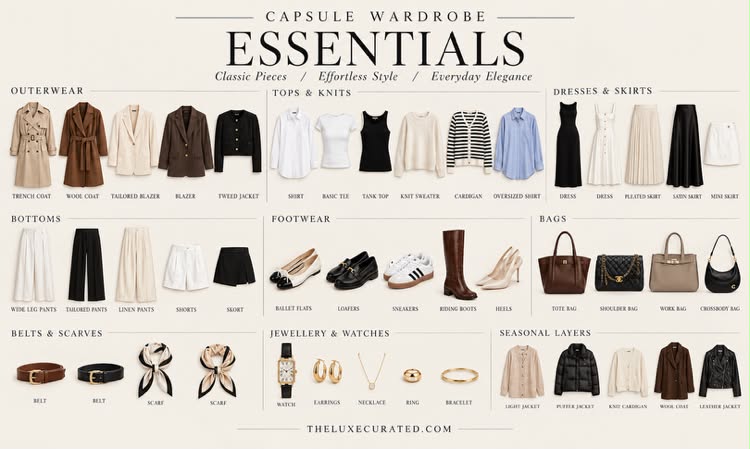
You don’t need a large collection of clothes to create different dark academia and quiet luxury outfits. A small group of compatible pieces can offer more styling options than a wardrobe full of items that only work in one combination.
Start with the basics you wear most often. A white shirt, dark trousers, a tailored waistcoat, and a versatile coat can form the foundation. From there, add pieces that fill a genuine gap rather than buying something simply because it fits an aesthetic.
Here are a few useful starting points:
- White button-down shirt: Works as a base layer under waistcoats, sweaters, and coats.
- Dark tailored trousers: Pair easily with both structured and relaxed tops.
- Waistcoat: Adds definition and can be worn alone or layered.
- Neutral outerwear: A charcoal, brown, or black coat makes cooler-weather outfits easier to coordinate.
- Classic shoes: Loafers, brogues, and simple leather-style shoes can complement the tailored look.
Before buying anything, think about at least three outfits you could create with it. If a piece only works with one specific item, it may be less useful than something that coordinates with several things you already own.
10. Make Fit and Comfort Part of the Outfit

Good styling isn’t only about choosing the right colors. Fit affects how the entire outfit comes together, especially when several structured pieces are worn at once.
A shirt should allow comfortable movement through the shoulders and arms. A waistcoat should sit neatly without pulling at the buttons, and trousers should have a length and shape that work with your shoes.

You don’t have to choose a very slim fit to create a polished appearance. Straight-leg trousers, relaxed tailoring, and slightly softer silhouettes can work just as well when their proportions are balanced.
Comfort matters, too. If a tie feels restrictive, a waistcoat limits movement, or a coat is too heavy for the weather, the outfit may not be practical for the occasion. Choose pieces that suit your routine as well as your preferred style.
The best result is an outfit that looks considered but still feels natural to wear.
Shop the Tailored Essentials
If you’re looking for similar pieces, start with the items that will be easiest to combine with your existing wardrobe. Check the product’s sizing chart, fabric composition, customer photos, and return policy before placing an order.
Product availability, fabric details, and sizing can change, so verify the current listing before purchasing.
Final Thoughts
Dark academia and quiet luxury work well together because both leave room for thoughtful styling rather than depending on bold logos or constant trend changes. One brings vintage-inspired character, while the other keeps the outfit focused on clean lines, fit, and understated details.
I’d start with a white shirt, dark tailored trousers, and a waistcoat before adding ties, coats, or other accessories. Once those basics work together, it’s easier to experiment with textures and small details without making the outfit feel overdone.
You don’t need to buy everything at once or follow every part of the aesthetic. Choose pieces that fit your lifestyle, feel comfortable, and can be worn in more than one combination.
Stay classy, and make the style your own.