
When you purchase through our links, we may earn an affiliate commission at no extra cost to you. Here's how it works.
Have you ever put on a simple outfit and felt that something was missing, even though every piece looked good on its own? Sometimes, the problem isn’t the clothes themselves. It’s how the different pieces work together.
Learning how to make outfits look polished can help you get more out of the clothes you already own. Small choices, such as adjusting your trouser length, coordinating accessories, or adding a structured layer, can change the overall appearance of an outfit.
You don’t need to follow every trend or buy a completely new wardrobe. In this guide, I’ll walk you through nine practical styling ideas that can help you put together more balanced, versatile outfits for everyday wear.
Make Everyday Outfits Look More Polished
1. Use Tailored Trousers to Create a Balanced Outfit
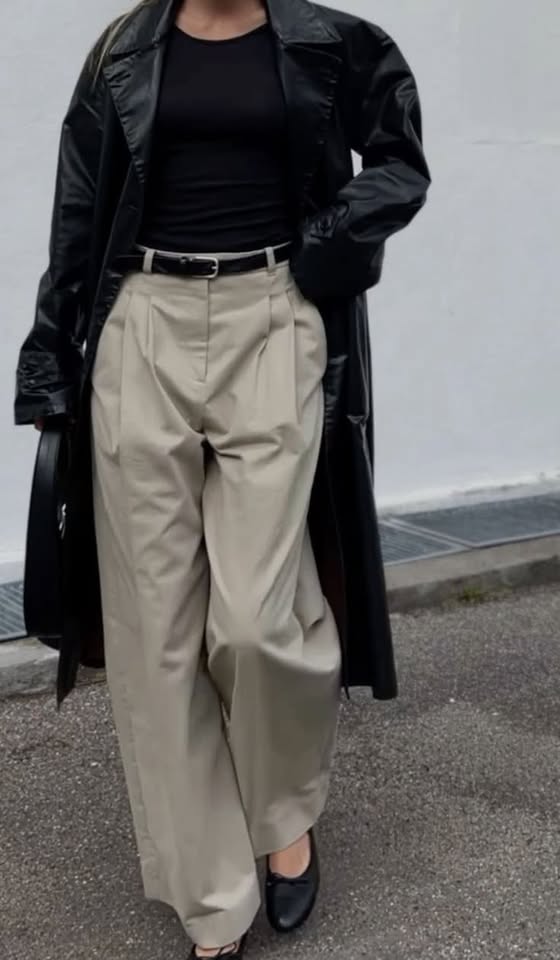
Tailored trousers are useful when you want to give an outfit a more structured appearance. Their clean lines work well with fitted tops, loose shirts, knitwear, and blazers.
The key is finding a cut that works with your proportions and personal style. Straight-leg trousers offer a classic option, while wide-leg styles create a more relaxed silhouette.
Styling Tip: Pair beige tailored trousers with a fitted black top for contrast. If you prefer a softer combination, try a white shirt with brown loafers and a matching belt.
Pay attention to the hem, too. Trousers that are excessively long or bunch around your shoes can affect how the entire outfit comes together.
2. Make a White Shirt Your Go-To Styling Piece

A white button-down shirt can work with far more than formal trousers. You can pair it with denim, a pleated skirt, tailored shorts, or a satin midi skirt, depending on the occasion.
Its simple appearance also makes it useful when you’re wearing a more noticeable color or print elsewhere in the outfit.
Styling Tip: For a relaxed look, leave the shirt slightly open over a simple top. For a more defined outfit, tuck it into high-waisted trousers or a skirt.
You can also adjust the sleeves or use a half-tuck to change the overall feel. Small adjustments like these help you create different looks without changing every piece.
Related : 7 Cheap Fashion Mistakes That Ruin Your Rich Girl Aesthetic
3. Add Movement With a Midi Skirt
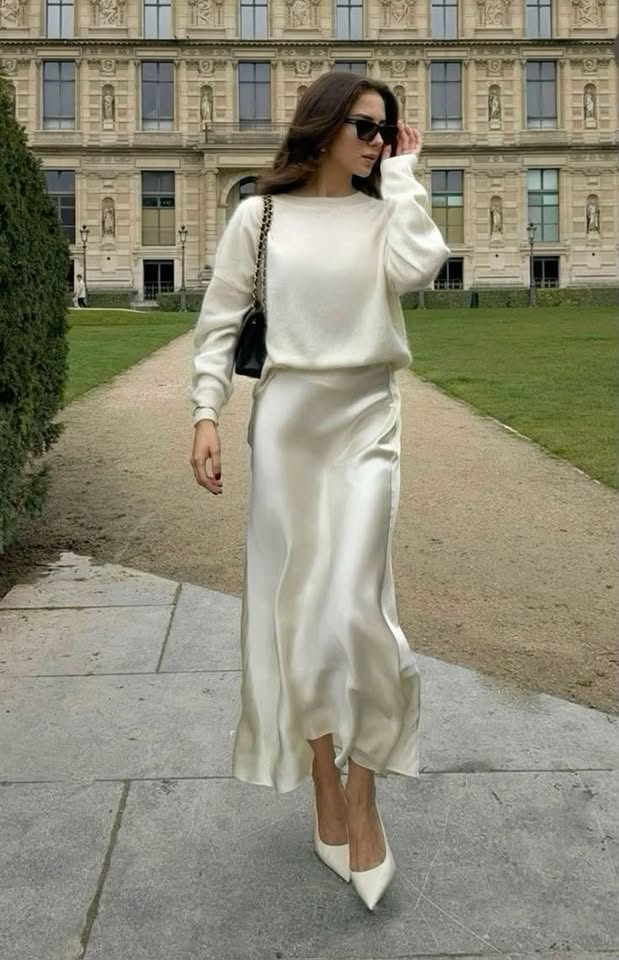
If an outfit feels too structured, a flowing midi skirt can introduce movement and soften the overall appearance. It pairs especially well with fitted knit tops, simple shirts, and lightweight sweaters.
The fabric makes a difference. Satin creates a smoother finish, while cotton and other softer materials can give the outfit a more casual feel.
Styling Tip: Pair a satin midi skirt with a fitted knit top and ballet flats for daytime wear. If you want more structure, add a blazer and a simple handbag.
Consider the skirt’s length and how it moves when you walk. The most useful option is one that feels comfortable and works with the shoes you plan to wear.
4. Use Simple Knit Tops as a Base Layer

A ribbed knit top or bodysuit can make outfit coordination easier because it doesn’t compete with other pieces. Its texture adds subtle detail while keeping the overall combination relatively simple.
Black, cream, brown, and gray are versatile options, but you can choose any color that complements your existing clothes.
Styling Tip: Wear a black ribbed top with beige trousers and a brown belt. For cooler weather, layer a blazer over it or add a cardigan for a softer appearance.
If you’re choosing between a bodysuit and a regular top, consider comfort and practicality. Both can work well; the best choice is the one you’ll enjoy wearing throughout the day.
5. Layer Knitwear Without Making the Outfit Bulky

A cardigan or sweater can add warmth, texture, and another dimension to a simple outfit. However, the way you layer it can affect the overall balance.
For example, a relaxed sweater often works well with straight-leg trousers, while a shorter cardigan can complement high-waisted skirts and pants.
Styling Tip: Try a cream sweater with dark trousers for a balanced contrast. You can also layer a cardigan over a white shirt, allowing a little of the collar to show.
Consider the thickness of each layer before getting dressed. If your sweater is already bulky, a lighter shirt underneath may feel more comfortable than adding several thick layers.
6. Use a Blazer to Give Casual Clothes More Structure
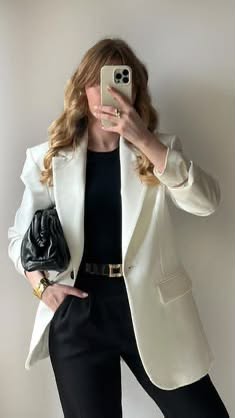
A blazer is an easy way to make everyday clothing feel more intentional. It can bring structure to a simple top and jeans combination or complement an outfit built around tailored trousers.
You don’t always need a matching suit. A blazer in black, navy, beige, or gray can work with several different colors and clothing styles.
Styling Tip: Wear a navy blazer over a white shirt with straight-leg jeans and loafers. For a more formal combination, pair it with matching or complementary tailored trousers.
Check how the shoulders and sleeves fit before choosing a blazer. A comfortable fit will make it easier to move naturally and wear the piece throughout the day.
Related : 35 Old Money Work Outfits That Look Polished and Modern
7. Keep Accessories Balanced

Accessories can add personality to an outfit, but they don’t all need to stand out at the same time. A watch, a pair of earrings, or a simple necklace may be enough to finish a look.
Think about the details already present in your clothing. If you’re wearing a patterned blouse, statement earrings, and a colorful handbag may compete for attention.
Styling Tip: Pair a plain white shirt with small hoop earrings and a simple watch. If your outfit already includes a bold scarf, keep the remaining jewelry understated.
You can also coordinate the general tones of your accessories without making them identical. Gold jewelry, for example, can work with a brown belt and tan handbag without requiring an exact color match.
8. Choose a Handbag That Complements the Outfit
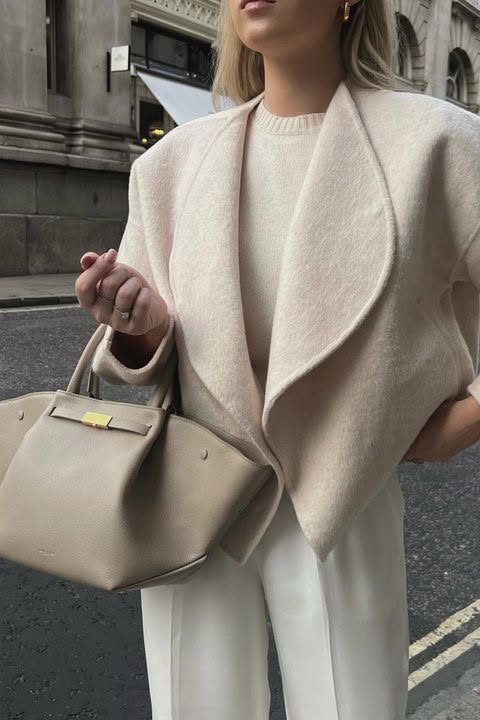
A handbag is both a practical accessory and part of your overall styling. Its size, shape, and color can influence how an outfit looks.
Structured bags tend to create a more defined appearance, while softer bags often feel more relaxed. Neither is automatically better; the right choice depends on your outfit and what you need to carry.
Styling Tip: Pair a structured tan handbag with cream trousers, a white shirt, and brown shoes. For a darker outfit, a black handbag can complement navy, charcoal, or black clothing.
Think about function as well as appearance. A bag that comfortably holds your everyday essentials and works with several outfits will usually be more useful than one chosen for a single occasion.
Related : 21 Affordable Quiet Luxury Handbags That Look Unbelievably Expensive
9. Match Your Shoes to the Occasion

Shoes can change the overall feel of an outfit, even when the clothing stays exactly the same. For example, pointed-toe flats can create a more refined appearance, while loafers offer a classic option for everyday wear.
You don’t need to wear heels to create a polished outfit. The important thing is choosing footwear that complements your clothes and suits the occasion.
Styling Tip: Pair tailored trousers with loafers for a smart-casual look. Ballet flats work well with midi skirts and simple dresses, while comfortable sandals can suit warmer weather.
Pay attention to comfort, too. Consider how much walking you’ll do and whether the shoes feel suitable for the day’s activities.
Realted : 12 Quiet Luxury Women’s Footwear Essentials Every Wardrobe Needs in 2026
How to Bring Your Outfit Together
Once you’ve chosen your clothes, take a moment to consider the outfit as a whole. You don’t need to follow strict fashion rules, but a few simple checks can help you spot details that feel out of place.
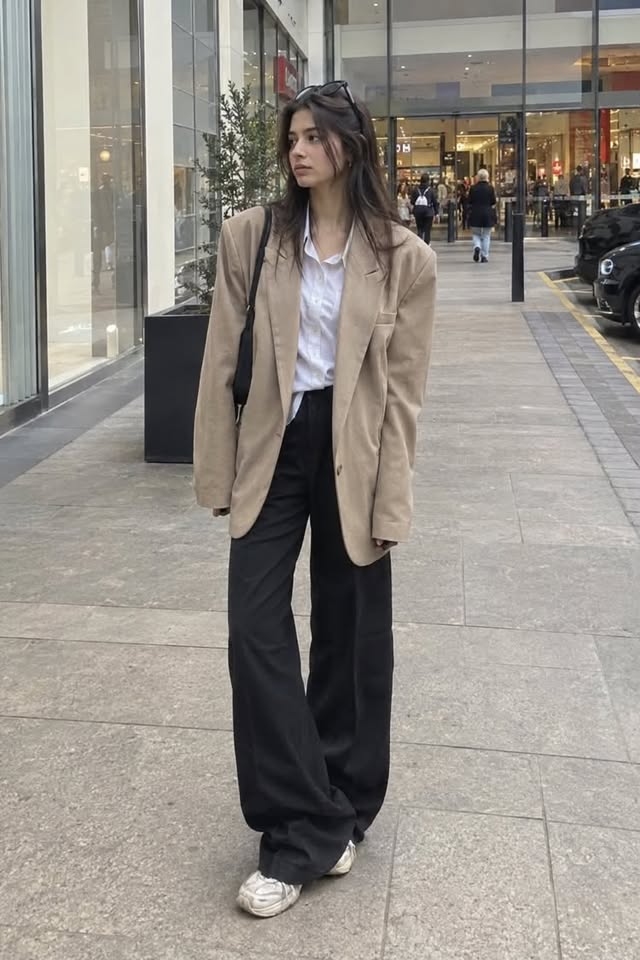
Check the proportions. If you’re wearing wide-leg trousers, you might prefer a fitted top or a shirt tucked into the waistband. If your top is loose, straight-leg trousers or a more defined skirt can create a different balance.
Coordinate your colors. Start with two or three colors that work well together. You can introduce another shade through your shoes, handbag, or jewelry if it complements the overall combination.
Consider the occasion. The same trousers and shirt can work for different settings depending on your shoes, accessories, and outer layer. Loafers and a structured bag may suit a lunch meeting, while sandals and a lightweight cardigan create a more relaxed combination.
Wear what feels comfortable. An outfit can look good without being restrictive or difficult to move in. Comfort matters because you’ll be able to wear and enjoy your clothes more naturally.
Final Thoughts
Putting together a polished outfit doesn’t have to involve complicated styling rules or constant shopping. Often, it’s the small details—the fit of your trousers, the way you tuck in your shirt, or the accessories you choose—that help everything feel more coordinated.
Start with the clothes you already enjoy wearing and experiment with different combinations. You may discover that a few simple adjustments give familiar outfits a completely different feel.
Which styling tip would you try first? Share your favorite in the comments, and save this guide on Pinterest so you can come back to these ideas the next time you’re planning an outfit!